by Token Toike Life Sci Student
A few years ago, I went to the Toronto Reference Library with a friend. We decided to explore and eventually found our way to the basement, in which tapes with newspapers copied onto them were stored. We looked through some of the tapes from the 19th century and realized that many of them had clickbait-style ads making claims of pills and balsams that cured everything from kidney disease to insomnia to diabetes—this is also the first thing I thought of when I saw the Toike Oike prompt: “old bad medicine.” A few days ago, I went back to the Toronto Reference Library to clip images of these strange advertisements.
(I also realized that they’ve MOVED the newspaper from its HOME in the basement to the EVIL and SINISTER fourth floor—TPL you will pay for this mark my words 🤬)
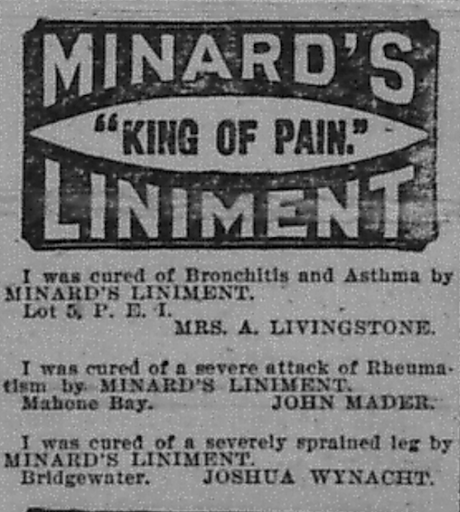
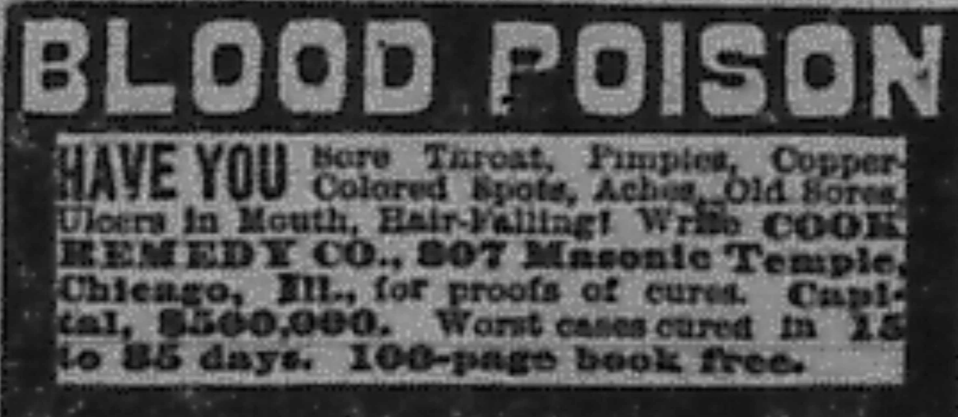
You heard it here first—if you have pimples, your blood might be poisoned! And if you want it cured, you need to go to the Freemasons in Chicago.
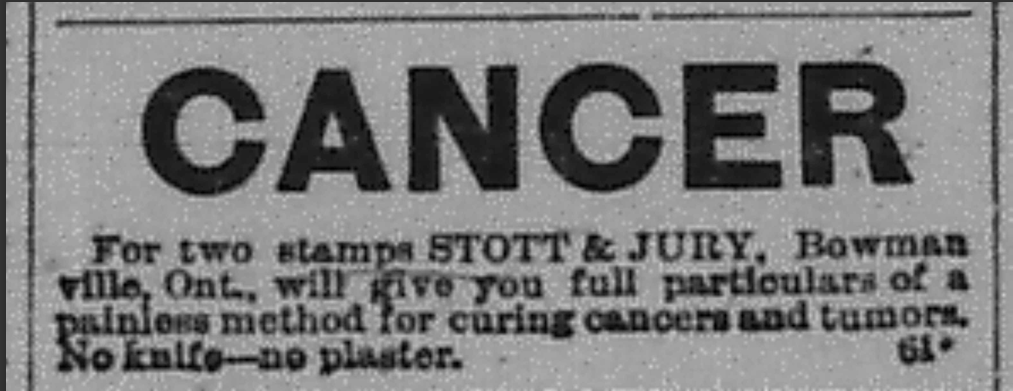
Why are scientists still trying to cure cancer when Strott and Jury already did it in 1896?
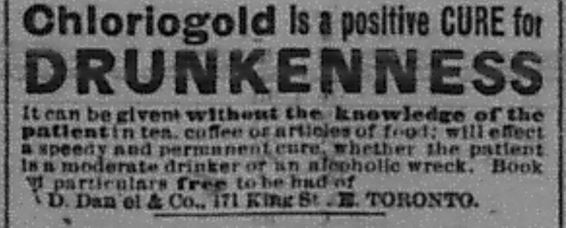
According to a Price List for Patent Medicines published in 1896, Chloriogold sold for $16.50 a dozen (a dozen what? I don’t know, a dozen Chloriogolds?).
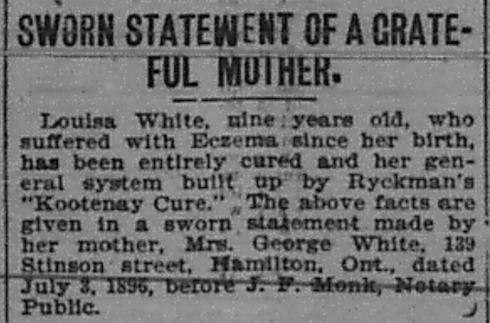
Samuel Ryckman, apparent inventor of the cure for eczema, was a grocer, real estate agent and MP from Hamilton—think about that the next time you don’t think you’re doing enough with your life.
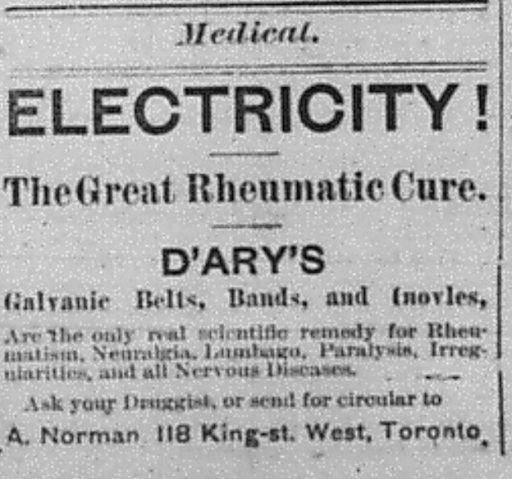
Electrocution seems to be the cure for joint pain—tell your grandma about this the next time she complains about the pain in her knees!
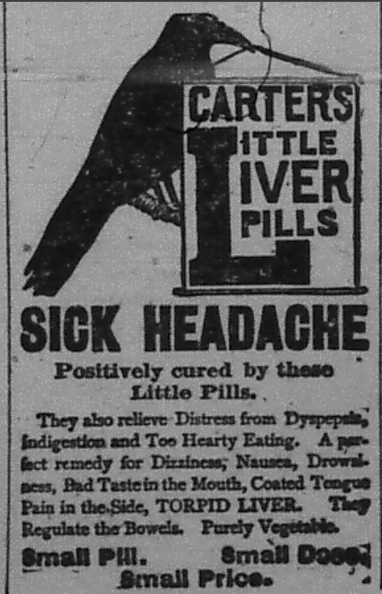
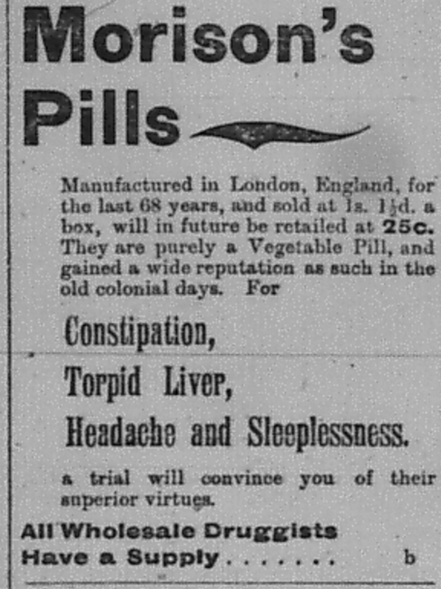
A remedy for a “bad taste in mouth”—I guess breathmints hadn’t been invented yet?
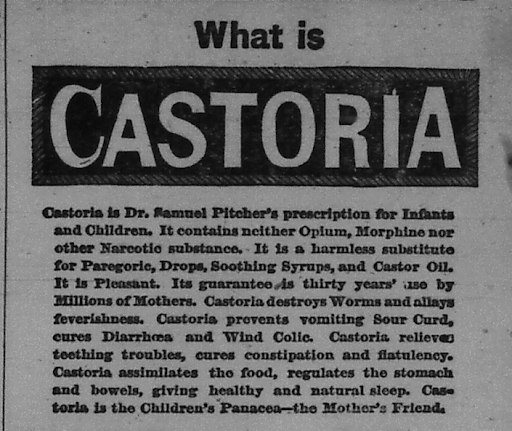
Also, according to The body has a liver by Adrian Reuben, “torpid liver” was a term in the 1800s that referred to “an ill-defined functional insufficiency of the liver that was responsible for vague symptoms of ill health, including malaise, depression, flatulence, and dyspepsia.” There was no evidence that torpid liver patients actually had anything wrong with their livers.
Pitcher’s Castoria was renamed to Fletcher’s Castoria after the rights to it were purchased by Charles Henry Fletcher in 1871. The medication still exists to this day and is now called Fletcher’s Laxative.
Fun fact: There were three B-17 Flying Fortress bombers during World War II named “Fletcher’s Castoria.”
“The name came from the then well known laxative Fletcher’s Castoria. The idea being that the plane would unload on the Germans what you would unload if you took a dose.” —100th Bomb Group Foundation (yes, this is a real quote from their article about Fletcher’s Castoria)
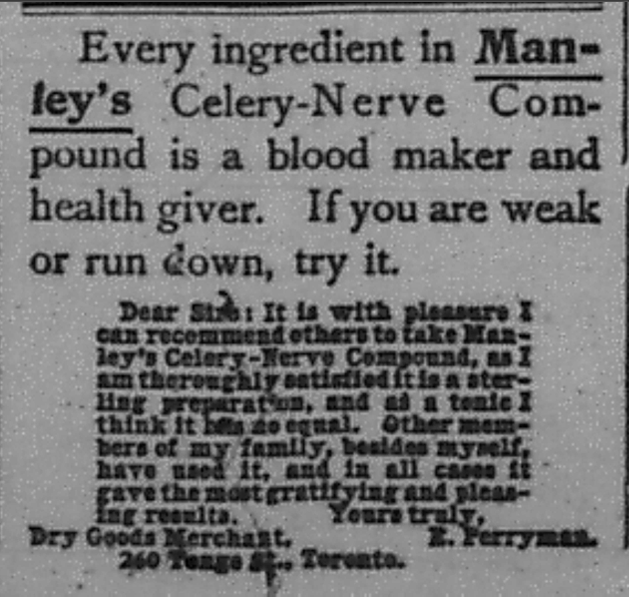
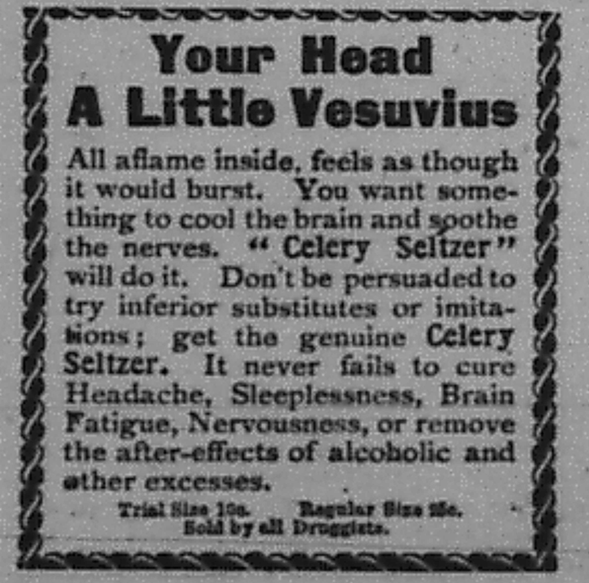
To be honest, I’m not really sure what was going on with the celery obsession in 1896.
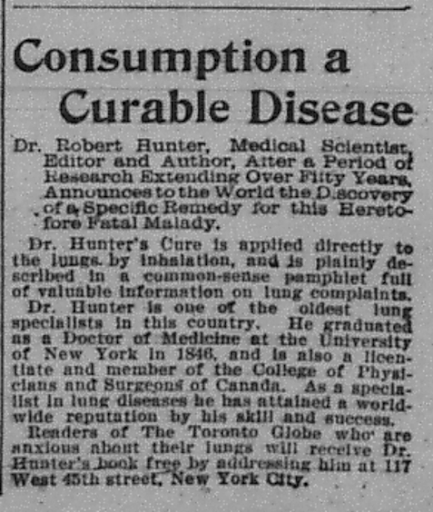
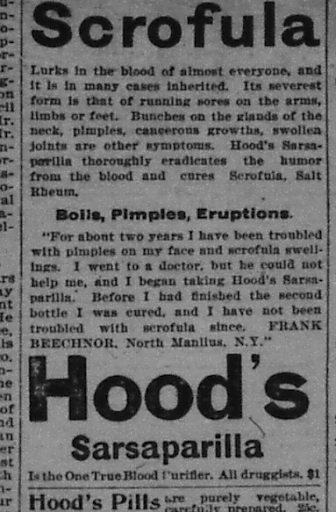
Here are two ads claiming to cure tuberculosis.
Personally, if I had to take one of these, I’d go with Hood’s Sarsaparilla—it’s 20% alcohol, which sounds like a good time to me (I was going to say for legal reasons, this is a joke, but by the time this article gets published, I’ll be 19 😁).
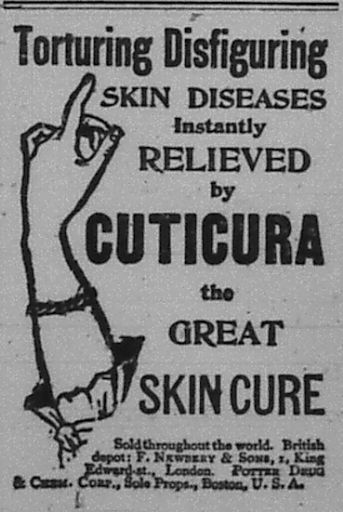
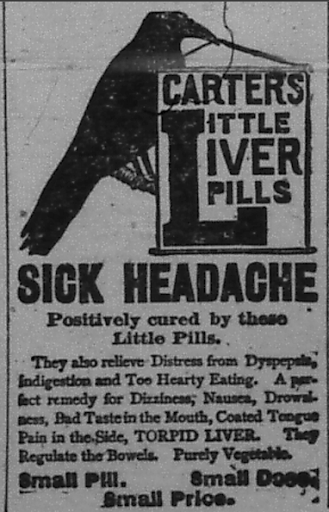
I find these ads to be very off-putting—no, I don’t want to hear about “skin tortured babies” or “torturing disfiguring skin diseases,” thank you very much.
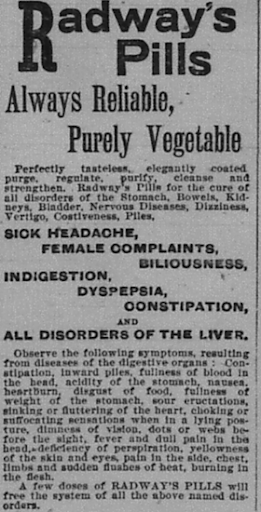
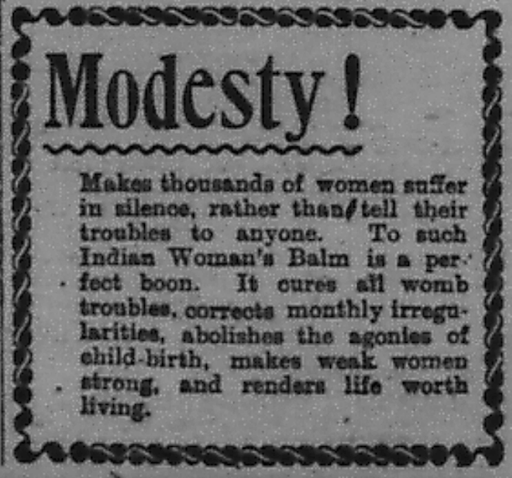
Feminists don’t want you to know about this cure for female complaints!
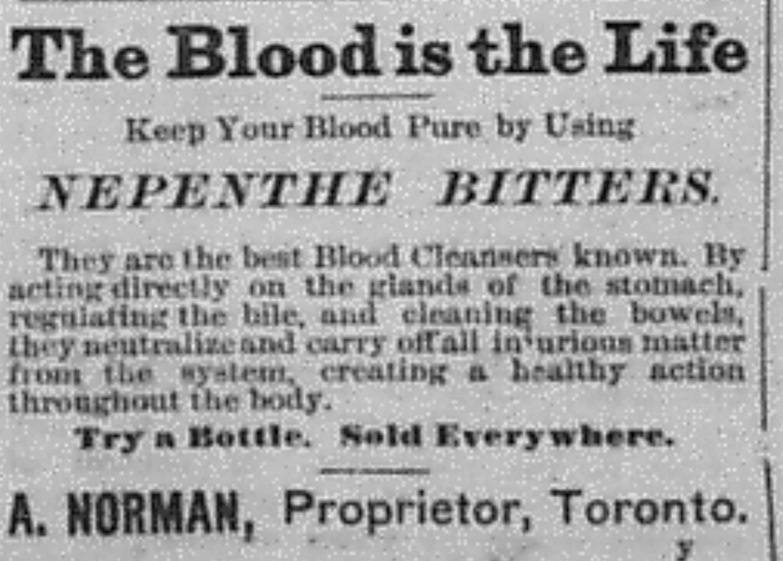
“Keep your blood pure” is a phrase Sydney Sweeney should use if she ever gets into promoting pharmaceuticals.
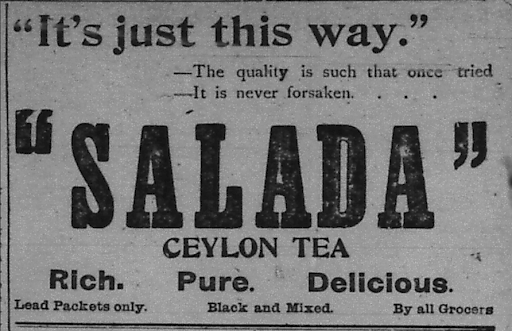
Not medical, but putting tea in lead packets is certainly an interesting choice.